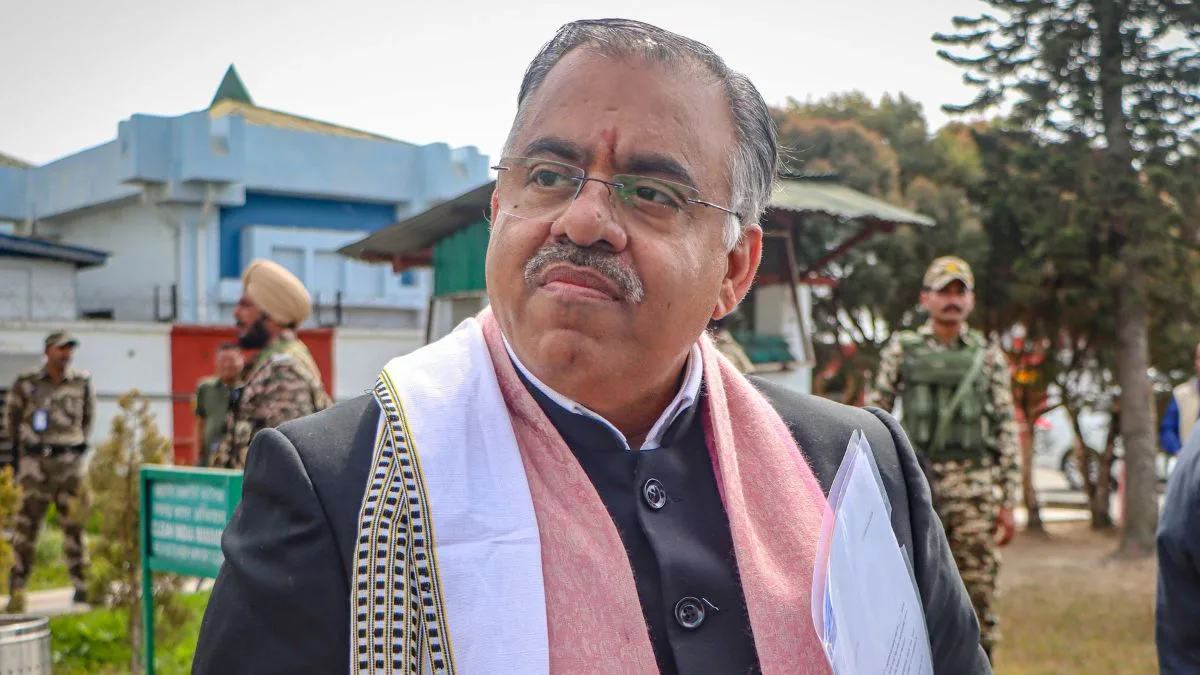
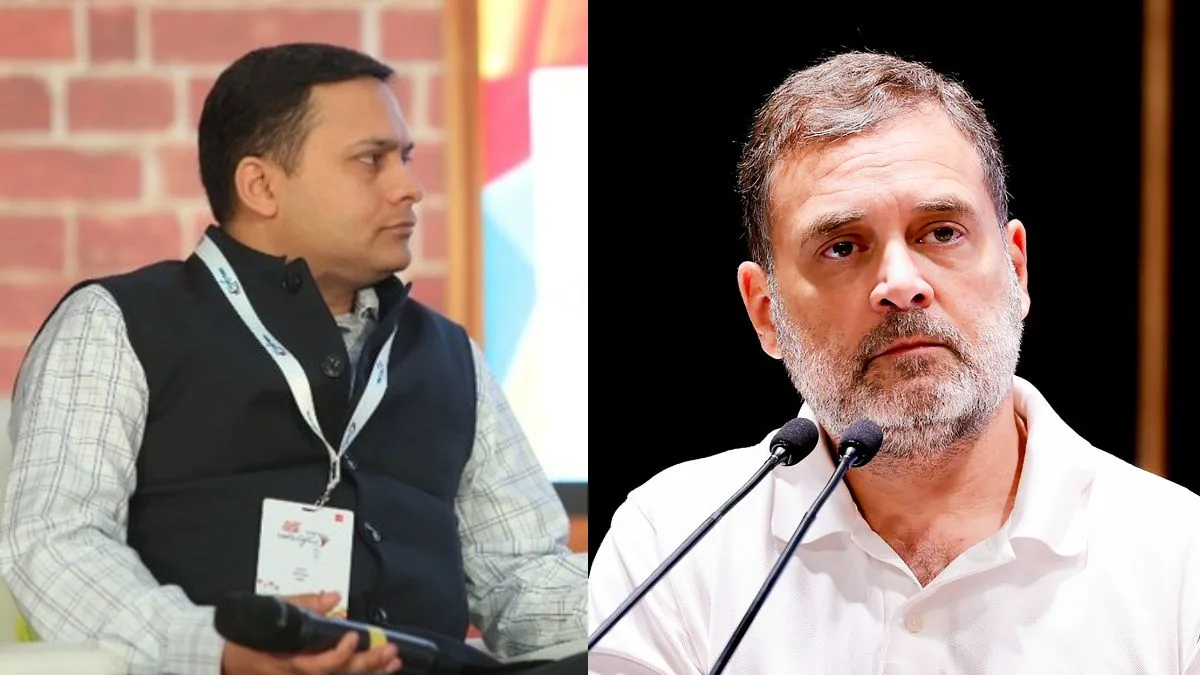
Senior Congress leader Jairam Ramesh on Sunday launched a strong critique against the Narendra Modi-led government, highlighting a recent World Bank report to emphasise the Centre’s ongoing “denial” of the escalating air pollution and public health emergency in India. He drew attention to alarming figures on premature deaths and economic impacts in northern India, stating that the data demands immediate and decisive policy measures.
In a post on X, Ramesh referenced the World Bank’s new report, A Breath of Change, which examines air pollution in the Indo-Gangetic Plains and Himalayan foothills. Describing the report as “comprehensive, evidence-based, and unambiguous,” he said its timing was critical, given the deteriorating air quality across much of the country.
Advertisement
The report reveals approximately 1 million premature deaths annually in the region, alongside economic losses equating to around 10 per cent of regional GDP each year. Ramesh highlighted these severe human and economic costs of persistent air pollution.
He pointed out that the World Bank outlined a clear action plan, including strict enforcement of emission standards for coal-fired power plants and the expedited retirement of older units. The report also urges a shift from fragmented city-level pollution controls to a “legally empowered airshed-based governance” model that transcends state boundaries, alongside expanding and electrifying public transport and tightening vehicle emission and fuel standards.
Ramesh noted that these recommendations align with the Congress party’s long-standing demands, particularly as the air quality index (AQI) health crisis has become increasingly urgent. He emphasised the party’s calls for a thorough review of the Air (Prevention and Control of Pollution) Act, 1981, and the National Ambient Air Quality Standards (NAAQS), 2009, with a stronger focus on fine particulate matter (PM2.5), known for its severe health risks.
He also advocated for a significant expansion of the National Clean Air Programme (NCAP) in both funding and geographic reach, insisting that PM2.5 measurements should be the key performance indicator, as current metrics underestimate the problem’s magnitude.
Additionally, Ramesh called for “tougher and uncompromising enforcement of air pollution norms and standards without any relaxations or dilutions,” implicitly criticizing periodic exemptions granted to industries and power plants.
Raising a pointed political challenge, Ramesh asked, “How long will the Modi Govt live in denial?” underscoring Congress’s effort to frame air pollution as both an environmental crisis and a critical governance and public health failure ahead of forthcoming elections.